
Symptoms and Treatments for Urinary Urgency

Understanding Urinary Urgency
Urinary urgency is a common issue that can significantly impact daily life, causing sudden, strong urges to urinate that can be difficult to control. This condition, often linked to an overactive bladder, can be distressing and inconvenient, making it important to understand and address. Fortunately, there are effective treatments for urinary urgency that can help manage symptoms and improve quality of life.
Managing this issue involves a combination of lifestyle changes, exercises, and medical treatments tailored to each individual’s needs. By exploring various treatments for urinary urgency, you can find the best strategies to regain control and comfort. Understanding the underlying causes and available treatments can empower you to take proactive steps in managing your symptoms and living a more comfortable, confident life.
Common Symptoms of Urinary Urgency
Experiencing urinary urgency can be incredibly frustrating and disruptive. Common symptoms include a sudden, intense urge to urinate, frequent urination, and difficulty controlling the bladder. These symptoms can lead to frequent trips to the bathroom and even accidents, significantly impacting daily activities and quality of life. Understanding the symptoms is the first step in seeking effective treatments for this problem and managing it more efficiently.
These symptoms can affect various aspects of life, from work to social activities, making it challenging to enjoy daily routines. Managing urinary urgency involves identifying these symptoms early and seeking appropriate treatments for it. By recognizing the signs and understanding how they influence your life, you can take proactive steps toward finding relief and regaining control over your bladder health.
Medical Conditions Associated with Urinary Urgency
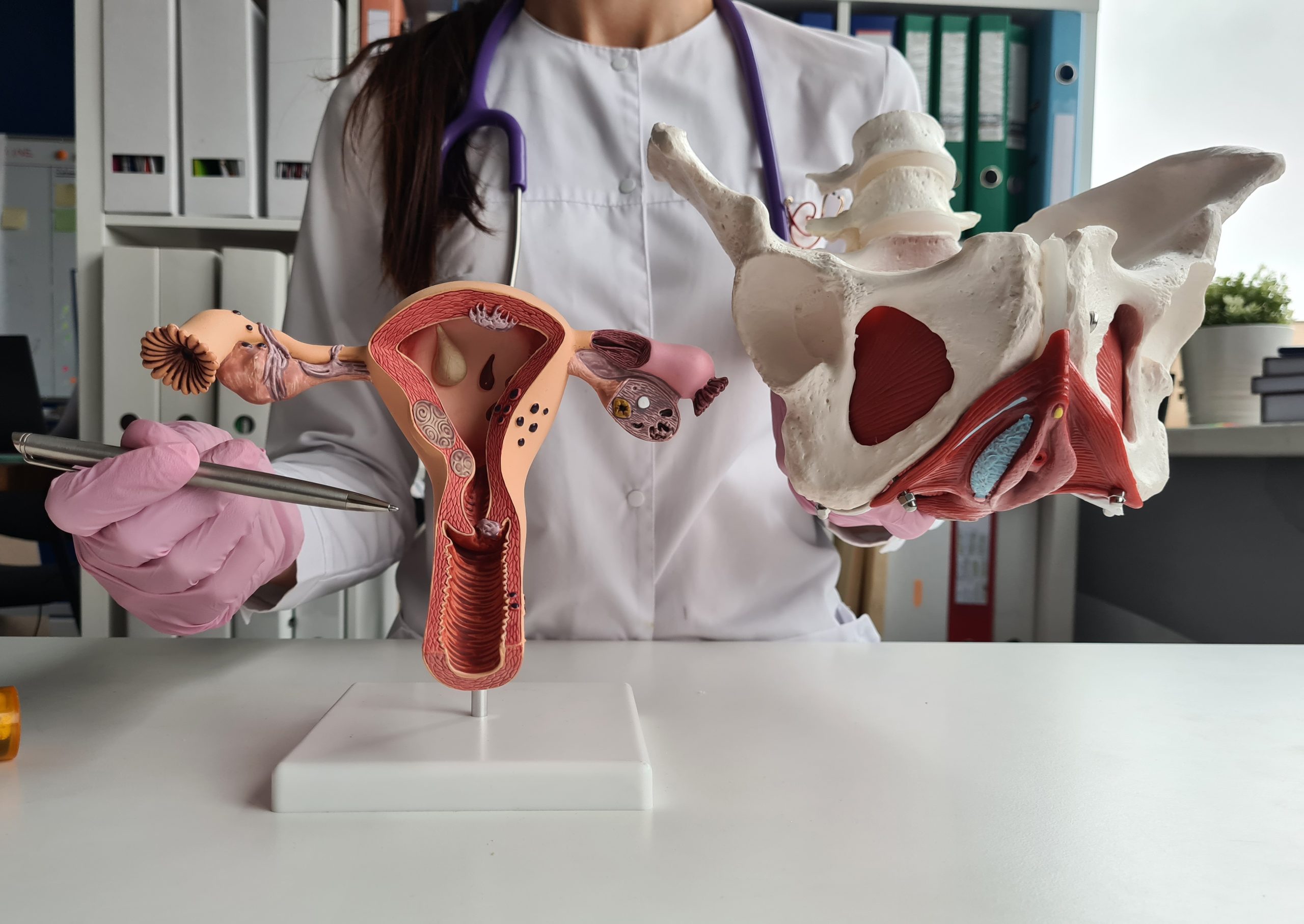
Gynecologist doctor holds model of bones of pelvic floor and anatomy of uterus. Female reproductive system and treatment of diseases in women. Several medical conditions can lead to urinary urgency, making it a common yet complex issue. Urinary tract infections (UTIs) and yeast infections are among the most frequent culprits, causing inflammation and irritation in the urinary system. Prostatectomy, a surgical procedure for prostate removal, often results in changes to bladder function, leading to increased urgency. Overactive bladder, characterized by involuntary bladder contractions, and interstitial cystitis, a chronic condition causing bladder pressure and pain, also significantly contribute to urinary urgency. Understanding these conditions is crucial for finding effective treatments.
Each of these conditions affects the bladder and urinary system in unique ways, exacerbating the symptoms of urinary urgency. Managing it involves addressing these underlying conditions through appropriate treatments. For instance, antibiotics can treat UTIs, while lifestyle changes and medications can help manage overactive bladder. Recognizing the connection between these conditions and urinary urgency is essential for seeking targeted treatments and improving overall bladder health. By addressing the root causes, individuals can find relief from symptoms and enhance their quality of life.
Conservative Treatments for Urinary Urgency

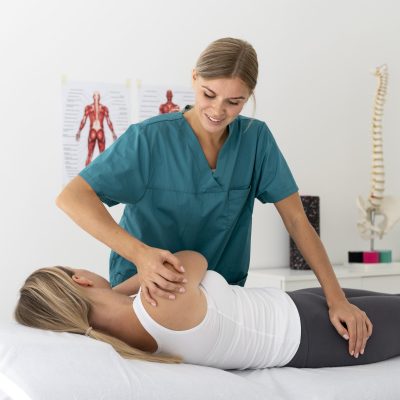
Conservative treatments for urinary urgency can be highly effective and include a variety of approaches such as physiotherapy, muscle training, and bladder retraining. These methods focus on strengthening the pelvic floor muscles and improving bladder control, offering non-invasive solutions for managing urinary urgency. Physiotherapy, for instance, involves guided exercises that target the pelvic floor, helping to enhance muscle strength and function. Bladder retraining techniques encourage patients to gradually extend the time between bathroom visits, thereby reducing the frequency of urgency episodes. These treatments are designed to empower individuals with practical skills and exercises to manage their symptoms effectively.
In addition to physiotherapy, other conservative treatments like acupuncture, nutrition, and naturopathy also play a vital role in managing urinary urgency. Acupuncture can help reduce bladder sensitivity and improve bladder function through targeted needle placements. Nutritional adjustments, such as avoiding bladder irritants like caffeine and spicy foods, can significantly alleviate symptoms. Naturopathy, which emphasizes natural remedies and holistic approaches, can provide personalized treatments that address the root causes of urinary urgency. By incorporating these various treatments, individuals can find a comprehensive and supportive approach to managing urinary urgency, leading to improved quality of life.
Medical Treatments for Urinary Urgency

Medical intervention becomes necessary when conservative treatments do not provide sufficient relief. For individuals experiencing severe symptoms of urinary urgency or overactive bladder, a healthcare provider may recommend trying prescription medications. It’s important to work closely with your doctor to find the most suitable treatment plan, as some medications may have side effects or interact with other drugs you are taking. By understanding and utilizing these medical treatments, you can take proactive steps towards managing your urinary urgency effectively and comfortably.
Managing Urinary Urgency Through Lifestyle Changes

One of the most effective treatments for urinary urgency involves making simple lifestyle changes. By incorporating healthy habits into your daily routine, you can significantly reduce symptoms of urinary urgency. Start by staying hydrated; drinking plenty of water helps keep your bladder healthy and reduces irritation. However, it’s also important to monitor your fluid intake and avoid excessive consumption of caffeine and alcohol, as these can exacerbate symptoms of overactive bladder. Making these adjustments can play a significant role in managing urinary urgency and improving your overall quality of life.
Maintaining a regular bathroom schedule can also help in managing urinary urgency. By training your bladder to empty at consistent intervals, you can reduce the frequency and urgency of bathroom trips. Additionally, incorporating pelvic floor exercises, such as Kegels, into your daily routine strengthens the muscles that control urination, providing better control and reducing leaks. Combining these lifestyle changes with professional treatments for urinary urgency creates a comprehensive approach to managing this condition, ensuring you can enjoy daily activities with more confidence and comfort.
The Role of Pelvic Floor Physical Therapy

Pelvic floor physical therapy plays a crucial role in treating urinary urgency by focusing on strengthening the pelvic floor muscles, which support the bladder and other pelvic organs. Treatments for urinary urgency often include specific exercises designed to enhance muscle control and reduce symptoms. These exercises, such as Kegels, help manage urinary urgency by improving the strength and coordination of the pelvic floor muscles. This type of therapy is a natural and effective way to address the root causes of urinary urgency.
In addition to exercises, pelvic floor physical therapy may involve techniques like biofeedback, where sensors provide real-time information about muscle activity. This feedback helps patients learn how to control their pelvic floor muscles more effectively. Another method is bladder retraining, which gradually increases the time between bathroom visits, helping to manage overactive bladder symptoms. By incorporating these strategies, pelvic floor physical therapy offers a comprehensive approach to managing urinary urgency, promoting long-term relief and improved quality of life.
Your Journey to Better Health

Understanding and treating urinary urgency is crucial for improving your quality of life. By exploring the various treatments for urinary urgency, such as pelvic floor therapy, lifestyle changes, and medical interventions, you can find a solution that works best for you. Managing urinary urgency effectively involves recognizing symptoms, seeking appropriate care, and maintaining a proactive approach to your health.
If you’re experiencing symptoms of urinary urgency, don’t hesitate to reach out for help. Personalized treatment plans can provide significant relief and empower you to take control of your health. Pelvi offers a free questionnaire that guides you toward a personalized treatment plan. Your journey to better health and well-being starts here! Let’s take the first steps together.
Table of Content
Be sure to read the following
Pelvic Organ Prolapse and Physiotherapy Treatments

Urinary Difficulties: Causes and Physiotherapy Solutions

Leave a Reply