
Pelvic Organ Prolapse and Physiotherapy Treatments

Understanding Pelvic Organ Prolapse
Pelvic organ prolapse is a condition where the pelvic organs, such as the bladder, uterus, or rectum, slip out of their normal positions and bulge into the vaginal canal. This occurs due to the weakening of the pelvic floor muscles and connective tissues, often caused by childbirth, aging, or heavy lifting. Bladder prolapse and uterine prolapse are common types of this condition, affecting many women worldwide. Understanding pelvic organ prolapse is crucial because early detection and treatment can prevent further complications and improve quality of life.
Awareness and timely treatment of pelvic organ prolapse are essential for effective management. Recognizing symptoms like discomfort, pressure in the pelvic area, and urinary issues can prompt individuals to seek help sooner. Physiotherapy plays a significant role in managing pelvic organ prolapse, offering non-invasive solutions that focus on strengthening pelvic floor muscles and improving support for the affected organs. By raising awareness and promoting treatment options, we can empower individuals to take control of their health and well-being, ensuring a more comfortable and active lifestyle.

Types of Pelvic Organ Prolapse
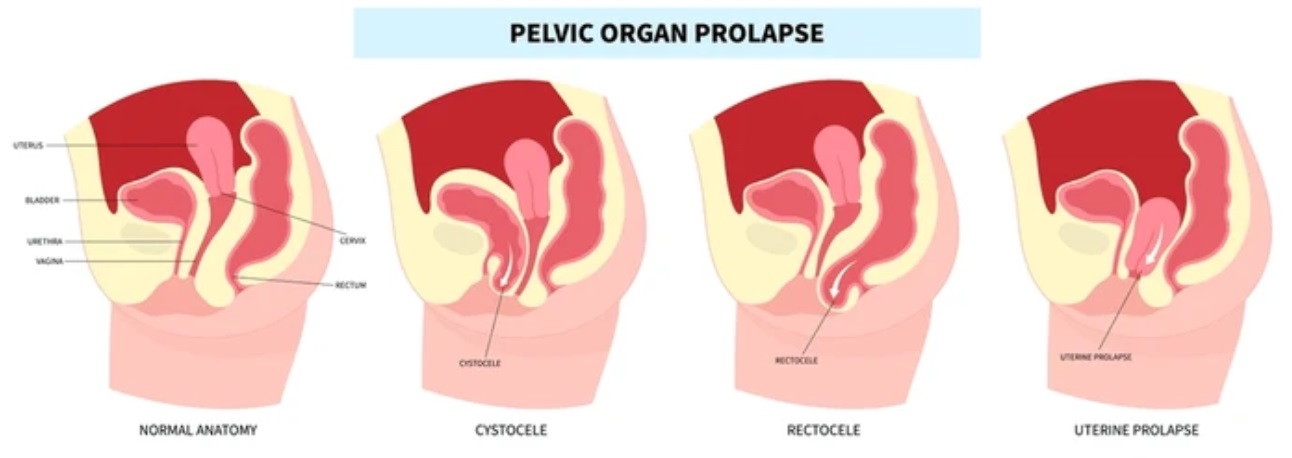
Pelvic organ prolapse can manifest in several ways, affecting different organs within the pelvic region. Bladder prolapse, also known as cystocele, occurs when the bladder drops from its normal position and pushes against the vaginal wall. This condition can cause symptoms such as frequent urination, difficulty emptying the bladder, and discomfort during physical activities. Urethra prolapse involves the downward displacement of the urethra, which can lead to similar symptoms and affect daily life.
Another common type of pelvic organ prolapse is uterine prolapse, where the uterus descends into the vaginal canal due to weakened pelvic floor muscles. This can lead to symptoms such as pelvic pressure, lower back pain, and difficulties with bowel movements. Rectum prolapse, or rectocele, occurs when the rectal wall protrudes into the vagina, causing discomfort and challenges with bowel movements. Understanding these various types of pelvic organ prolapse is crucial for identifying symptoms early and seeking appropriate treatments to manage and alleviate discomfort.
Causes and Risk Factors
This can develop due to several causes, often stemming from the physical stresses placed on the pelvic region. Common causes include childbirth, which can weaken the pelvic floor muscles, and aging, which naturally decreases muscle elasticity. Connective tissue disorders can also contribute to the weakening of the pelvic support structures, increasing the likelihood of pelvic organ prolapse. Understanding these causes can help in early recognition and management of symptoms, leading to more effective treatment outcomes.
Several risk factors can increase the likelihood of developing pelvic organ prolapse. Obesity is a significant risk factor, as excess weight can add strain to the pelvic floor muscles. Frequent heavy lifting, whether due to occupation or lifestyle, can also weaken these muscles over time. Additionally, genetic predispositions can play a role, with some individuals naturally having weaker connective tissues. By recognizing these risk factors and making lifestyle adjustments, individuals can take proactive steps to reduce their risk and maintain pelvic health.

Symptoms and Diagnosis
Recognizing the symptoms of pelvic organ prolapse is crucial for early intervention and effective management. Common symptoms include a feeling of pressure or fullness in the pelvic area, urinary incontinence, and general discomfort during daily activities. Some individuals may also experience a visible bulge or protrusion, indicating that one of the pelvic organs is pushing against the vaginal wall. Understanding these symptoms is essential for anyone experiencing pelvic organ prolapse, as early recognition can significantly improve treatment outcomes.
Diagnosis of pelvic organ prolapse typically involves a thorough examination by a healthcare professional. This process may include a physical exam to assess the degree of prolapse and any associated symptoms. In some cases, imaging tests such as ultrasounds or MRIs may be used to gain a clearer picture of the pelvic structures. Early diagnosis is vital, as it allows for timely intervention and a more tailored treatment plan. By recognizing the signs and seeking professional advice, individuals can take proactive steps toward managing their condition effectively and improving their quality of life.

Physiotherapy Treatments for Pelvic Organ Prolapse
One of the most effective treatments is pelvic floor exercises, commonly known as Kegels. These exercises are designed to strengthen the muscles that support your bladder, uterus, and rectum, helping to alleviate the symptoms associated with pelvic organ prolapse. By regularly practicing these exercises, you can enhance muscle tone and support, which can lead to significant improvements in your condition. The best part? You can do these exercises anytime and anywhere, making them a convenient and empowering part of your routine.
Working with a physiotherapist can greatly enhance the benefits of these exercises. A trained physiotherapist can develop a personalized treatment plan tailored to your specific needs and monitor your progress along the way. They will guide you through the correct techniques, ensuring that you’re engaging the right muscles and getting the most out of each session. Physiotherapy treatments for pelvic organ prolapse are highly individualized, focusing on your unique situation and helping you regain strength and confidence. With the right support and guidance, managing pelvic organ prolapse can become an achievable goal.

Lifestyle Changes and Preventative Measures
Incorporating healthy habits into your daily routine can be a game-changer when dealing with pelvic organ prolapse. Simple changes, like staying active and eating a balanced diet, can help prevent symptoms of bladder prolapse and rectum prolapse. Regular exercise strengthens your core and pelvic floor muscles, supporting your organs more effectively. It’s also crucial to stay hydrated and include fiber-rich foods in your diet to prevent constipation, which can exacerbate prolapse symptoms.
Maintaining a healthy weight and using proper lifting techniques are essential preventative measures for managing pelvic organ prolapse. Extra weight can increase pressure on your pelvic floor, so keeping your body weight in check can make a big difference. When lifting objects, always remember to use your legs instead of your back and avoid heavy lifting when possible. These small adjustments can significantly impact your pelvic health, helping you stay active and comfortable in your daily life. Taking these proactive steps empowers you to manage your condition effectively and enjoy life with confidence.

Emotional Impact and Support
Dealing with pelvic organ prolapse often brings emotional challenges, including feelings of embarrassment, frustration, or isolation. It’s crucial to acknowledge these emotions as a normal part of the journey toward healing. Recognizing the emotional aspects of living with bladder prolapse, urethra prolapse, uterine prolapse, or rectum prolapse can help individuals feel less alone and more empowered to seek solutions. Remember, it’s okay to feel vulnerable, and reaching out for support is a sign of strength, not weakness.
Building a supportive community can make a world of difference. Encouraging open communication with friends, family, and online support groups can provide comfort and encouragement. Sharing experiences with others who understand can foster a sense of belonging and hope. Additionally, considering professional therapy can be beneficial for addressing emotional well-being and maintaining a positive outlook. Together, we can break the stigma and create a supportive environment that embraces every step of the healing process.

Embracing Your Health Journey
Pelvic organ prolapse can be a daunting challenge, but with the right support and information, managing it becomes an achievable goal. Physiotherapy offers an effective path to improving symptoms and enhancing quality of life. By understanding the types of prolapse—such as bladder prolapse, urethra prolapse, uterine prolapse, and rectum prolapse—and how they affect your body, you are better equipped to take control of your health. Remember, you are not alone, and there are resources and treatments available to help you on your journey.
Taking proactive steps toward your health can be empowering. At Pelvi, we encourage you to explore personalized treatment plans tailored to your needs. You can start by taking our free questionnaire, which will guide you in receiving a customized treatment plan aimed at better health and well-being. Let’s work together to embrace a healthier future where pelvic organ prolapse is just a part of your story, not the whole narrative.
Table of Content
Be sure to read the following

Urinary Difficulties: Causes and Physiotherapy Solutions
Symptoms and Treatments for Urinary Urgency

Leave a Reply