
Pelvic Floor Pain: Understanding Causes and Treatments

Pelvic floor pain can be a significant and often misunderstood issue. If you’ve ever dealt with lower abdominal pain or discomfort in the pelvic area, you’re not alone. Education is power and understanding what pelvic floor pain is and how it impacts your life is crucial to finding relief. Addressing this issue goes beyond physical discomfort; it’s about enhancing your overall well-being and quality of life. By learning about the causes and treatments you can take the first steps toward feeling better and reclaiming your day-to-day comfort and joy. Understanding your body empowers you to make informed decisions and seek the help you need to feel your best.
What is Pelvic Floor Pain?
Pelvic floor pain refers to discomfort or pain in the muscles located at the base of your pelvis. These muscles support your bladder, bowel, and, in women, the uterus. When these muscles are weak or tight, you may experience lower abdominal pain or discomfort in the pelvic area. This pain can affect your ability to perform everyday activities and can significantly impact your quality of life.
It can manifest in various ways, including a constant ache, sharp pains, or a feeling of heaviness in the pelvic region. It may be accompanied by symptoms like difficulty urinating, painful bowel movements, or discomfort during sexual activity. Both men and women can experience this type of pain, and it can stem from multiple causes such as childbirth, surgery, or chronic muscle tension. Understanding these different facets of pelvic floor pain is crucial for identifying the appropriate treatments and managing the symptoms effectively.
Common Causes of Pelvic Floor Pain
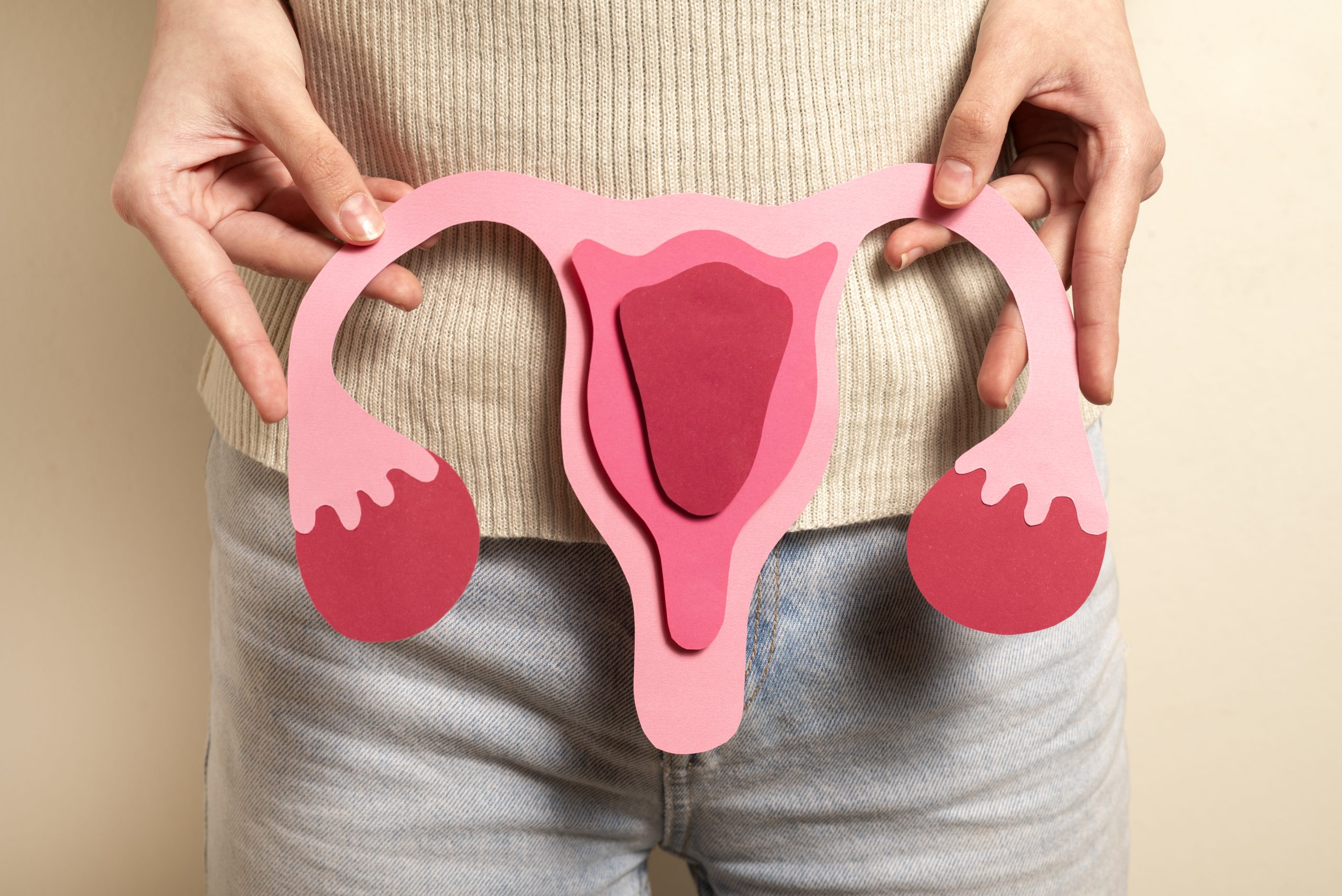
Pelvic floor pain can arise from a variety of causes, each impacting the muscles and tissues in different ways. Childbirth is one of the most common culprits, often leading to muscle strain or injury that can result in persistent pelvic pain. Surgical procedures, particularly those involving the pelvic region, can also contribute to the pain due to scar tissue formation and muscle disruption. Additionally, aging naturally weakens muscles, including those in the pelvic floor, leading to lower abdominal pain and discomfort. Physical trauma from accidents or heavy lifting can further exacerbate these issues and significantly impact daily activities.
Another key factor is chronic conditions such as endometriosis, interstitial cystitis, and irritable bowel syndrome (IBS), which can all contribute to pelvic floor pain. These conditions often cause inflammation and tension in the pelvic muscles, resulting in a persistent ache. Furthermore, lifestyle factors such as prolonged sitting, poor posture, and high levels of stress can lead to muscle tightness and pain in the pelvic region. Understanding these common causes helps in identifying the right treatment approach and taking proactive steps to manage and alleviate pelvic floor pain effectively.
Symptoms of Pelvic Floor Pain
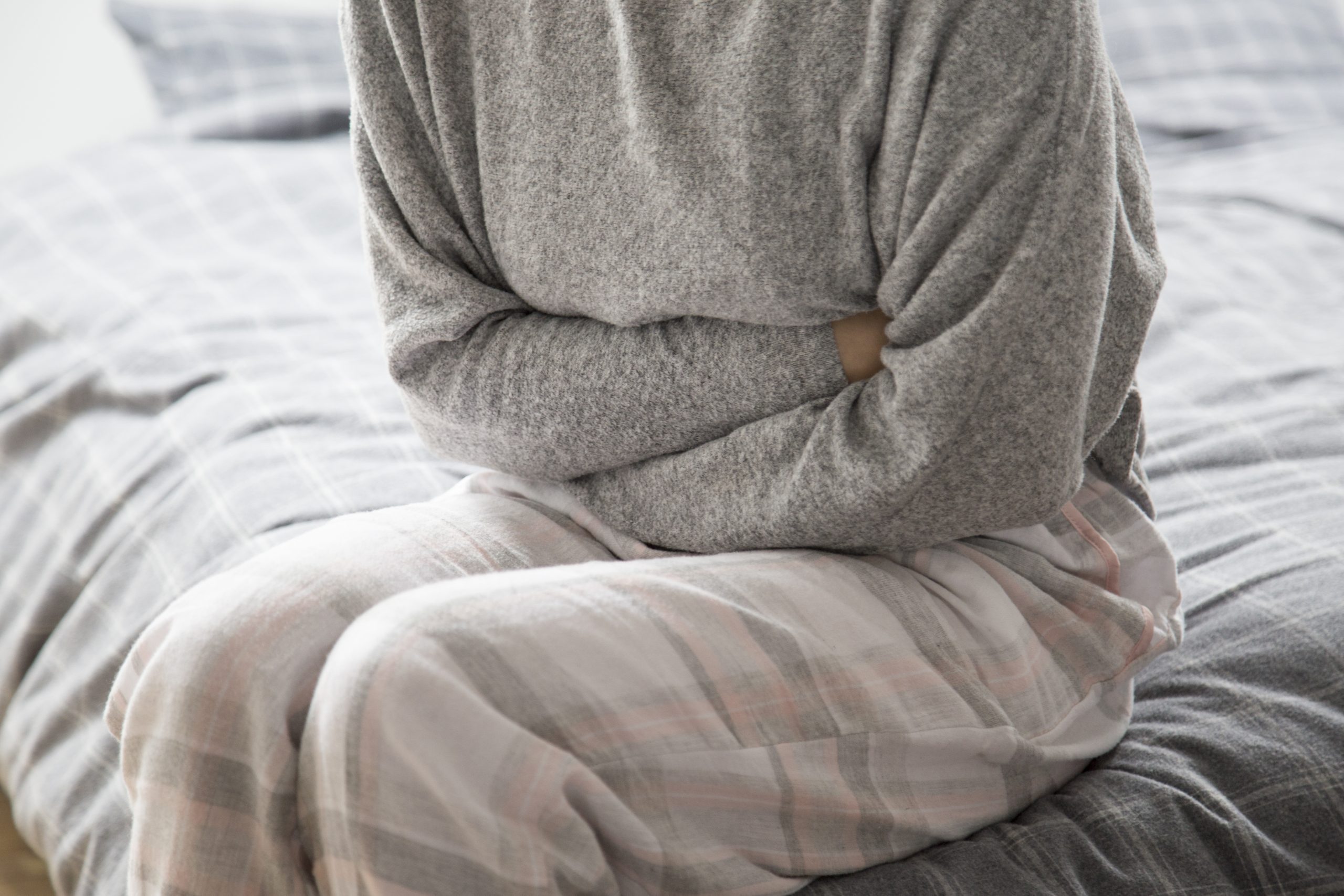
Pelvic floor pain can manifest in various ways, affecting different aspects of your daily life. Common symptoms include lower abdominal pain and a constant feeling of pressure or discomfort in the pelvic area. You might also experience pelvic region pain that feels sharp or cramp-like, making it challenging to engage in regular activities or even sit comfortably. These symptoms can vary in intensity and duration, often leading to frustration and impacting your overall well-being.
In addition to lower abdominal pain, individuals with pelvic floor pain may notice pain during urination, bowel movements, or sexual activity. This pain can sometimes radiate to the lower back and thighs, adding to the discomfort. It’s not uncommon for pelvic pain to fluctuate with hormonal changes, stress levels, or physical exertion, making it a persistent and sometimes unpredictable condition.
Diagnosis and Assessment

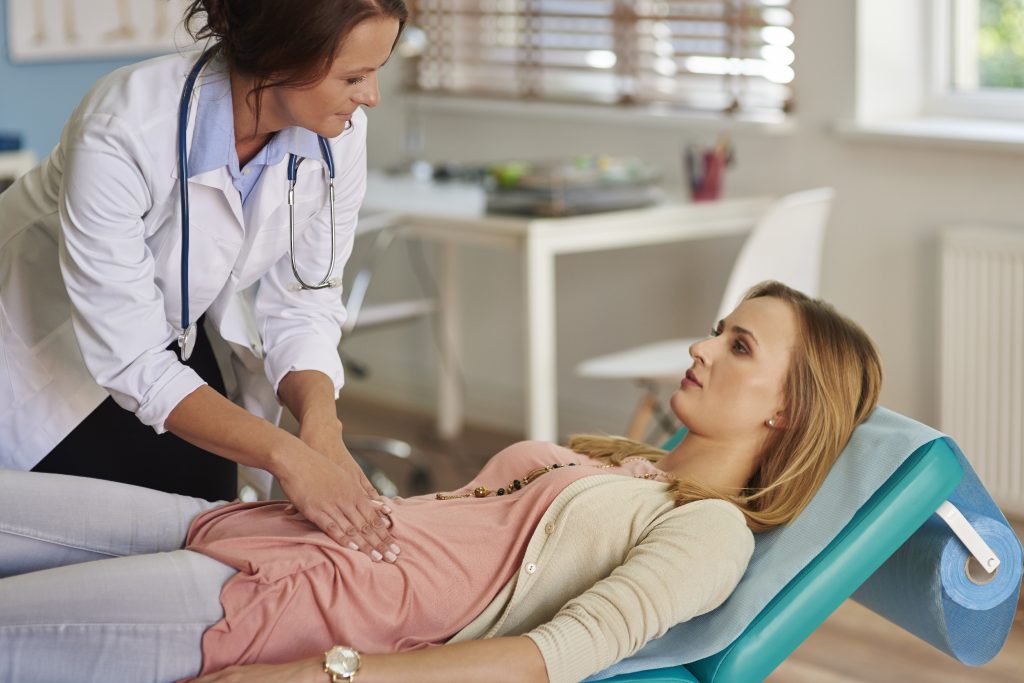
Diagnosing pelvic floor pain involves a thorough evaluation by healthcare professionals. They will typically start with a detailed patient history to understand the symptoms and any underlying conditions contributing to the pain. This discussion often covers aspects such as lower abdominal pain and pelvic area pain, helping to paint a complete picture of the patient’s health. The healthcare provider may then perform a physical exam, which can include checking for muscle tenderness, assessing pelvic floor muscle strength, and identifying any specific areas of discomfort.
In addition to the physical exam, diagnostic tools like imaging tests (such as ultrasound or MRI) may be used to get a clearer view of the pelvic region. These tests help in pinpointing any abnormalities or issues within the pelvic floor muscles and surrounding tissues. By combining patient history, physical exams, and imaging results, healthcare professionals can accurately diagnose pelvic floor pain and develop an effective treatment plan tailored to the individual’s needs.
Ready to start your journey toward relief? Fill out our online questionnaire to begin your personalized assessment. We’re here to help you every step of the way!
Treatment Options
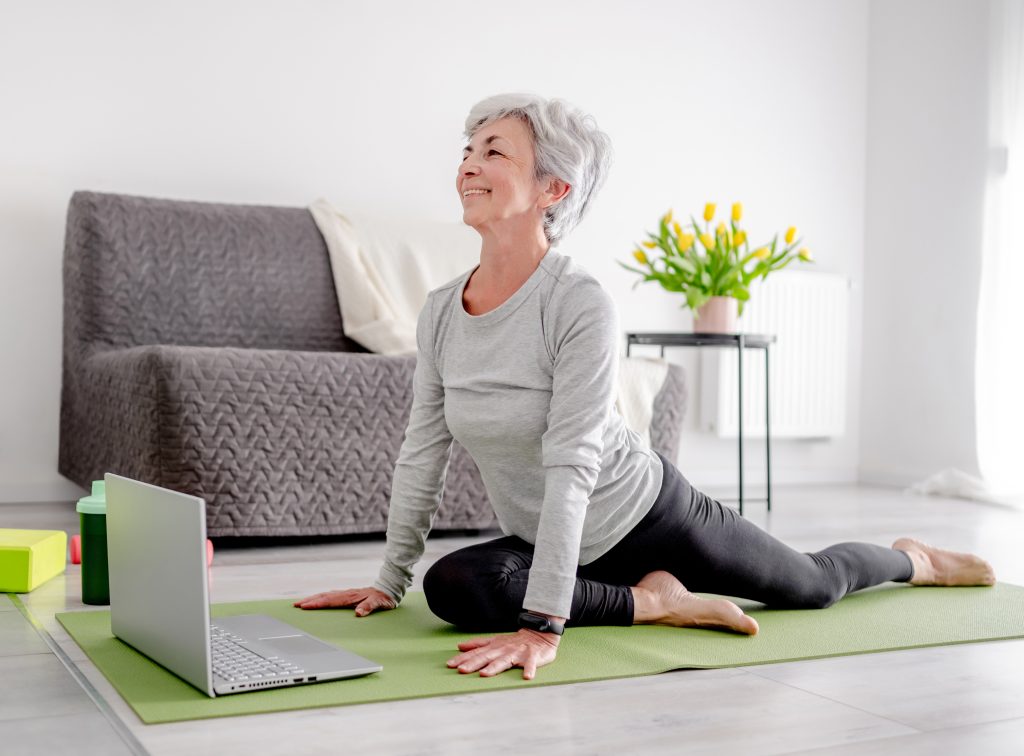
When it comes to tackling pelvic floor pain, there are several effective treatment options to explore. One of the most recommended approaches is pelvic floor physical therapy, where specialized exercises and techniques help strengthen and relax the pelvic floor muscles. This form of pelvic floor rehabilitation is often guided by a physiotherapist who can tailor a plan specifically for your needs. Additionally, medications may be prescribed to manage pain and inflammation, providing relief from pelvic pain and lower abdominal pain. Lifestyle changes also play a significant role in managing the pain. Incorporating regular exercise, maintaining a healthy weight, and practicing good posture can all contribute to better pelvic health. Dietary adjustments, such as increasing fiber intake to prevent constipation, can alleviate some pressure on the pelvic floor muscles. With the right combination of treatments and lifestyle modifications, you can find relief from pain and improve your overall quality of life.
The Role of Pelvic Floor Physical Therapy
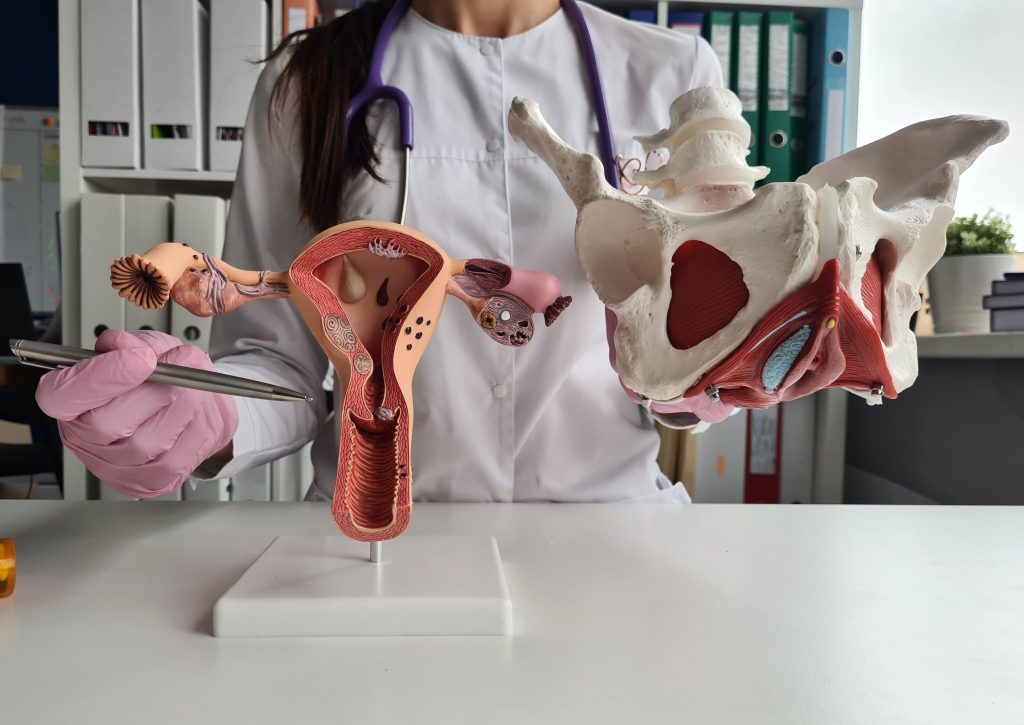
Pelvic floor physical therapy is a key player in alleviating this pain. Through tailored exercises and techniques, this therapy focuses on strengthening and relaxing the pelvic floor muscles, which can significantly reduce discomfort and improve function. For those dealing with lower abdominal pain or pelvic area pain, pelvic floor rehabilitation offers a non-invasive and effective solution. The therapy includes exercises designed to enhance muscle coordination and reduce tension, addressing the root causes of the pain.
Specific techniques used in pelvic floor physical therapy might include biofeedback, where therapists use real-time feedback to help you learn how to control your pelvic muscles better. Manual therapy techniques and targeted exercises also play a vital role. By engaging in these practices, individuals can see improvements not only in pain levels but also in overall pelvic function, making daily activities more comfortable and manageable.
Preventative Measures and Tips

Additionally, staying hydrated and maintaining a balanced diet can contribute to overall pelvic health. Avoiding heavy lifting and learning the correct techniques for lifting objects can prevent strain on your pelvic muscles. Taking regular breaks to move around if you have a sedentary job can also be beneficial. By integrating these tips into your lifestyle, you can enjoy a more comfortable, active life.
Take Charge of Your Pelvic Health Today

If you’re experiencing pelvic floor pain, don’t hesitate to seek help. Pelvic floor physical therapy can significantly enhance your quality of life. Ready to take the next step? Reach out to us for more information or to schedule an assessment. You can also take our free questionnaire to learn more about your personal pelvic floor health. Your path to comfort and well-being starts here, and we will be with you every step of the way!
Table of Content
Be sure to read the following
Pelvic Organ Prolapse and Physiotherapy Treatments

Urinary Difficulties: Causes and Physiotherapy Solutions

Leave a Reply