
Urinary Difficulties: Causes and Physiotherapy Solutions

Understanding Urinary Difficulties
Urinary difficulties are a common symptom that can occur due to various underlying conditions or issues. This sensation involves challenges in starting or maintaining a urine stream, often leading to feelings of discomfort or frustration. “Trouble urinating” can be experienced as a result of medical conditions affecting the urinary tract, prostate, or pelvic floor muscles. It’s essential to understand that this is not a condition in itself but rather a signal that there might be another issue at play.
Experiencing urinary difficulties can manifest as a weak urine flow, needing to strain to urinate, or a persistent feeling of incomplete bladder emptying. These symptoms can significantly impact daily activities, causing interruptions and inconvenience. Such experiences can also affect emotional well-being, leading to stress or anxiety about finding a restroom quickly or worrying about potential accidents. Acknowledging these symptoms and understanding their effects on your life is crucial for addressing them effectively and improving overall quality of life.
Causes of Urinary Difficulties
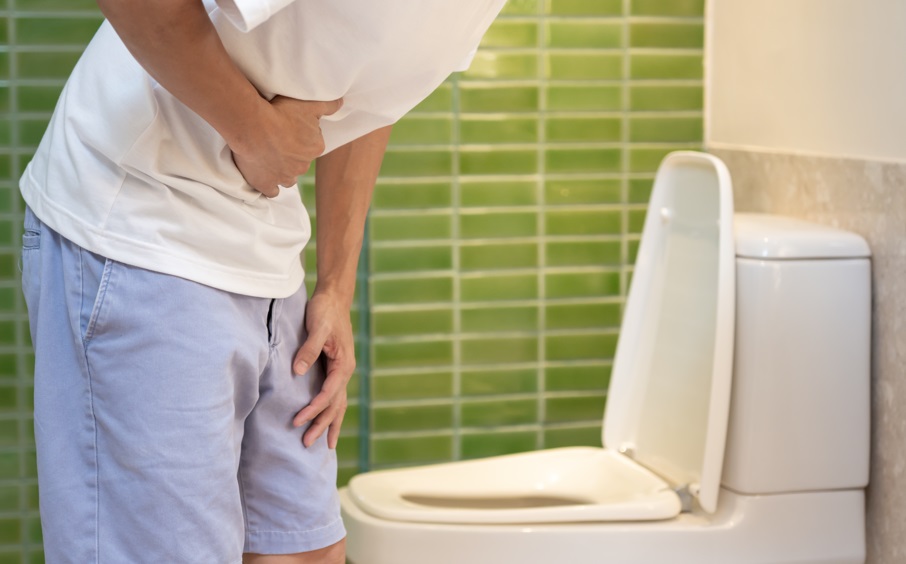
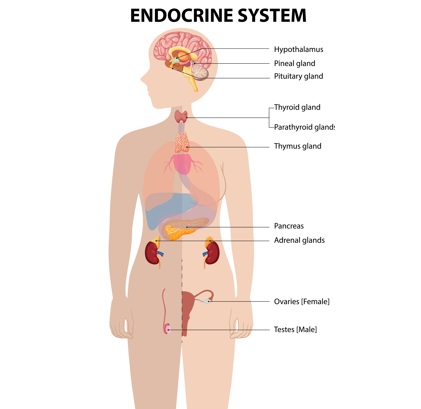
Urinary difficulties can often be traced back to various medical conditions. Urinary tract infections (UTIs) are a frequent culprit, causing irritation and inflammation that lead to urinary retention. In men, prostate issues such as benign prostatic hyperplasia (BPH) can block the flow of urine, resulting in trouble urinating. Neurological disorders like multiple sclerosis or Parkinson’s disease can disrupt the nerve signals that control the bladder, making it hard to start or maintain a urine stream. Understanding these underlying conditions is crucial for addressing the issue effectively.
Lifestyle choices and behaviors can also contribute to urinary difficulties. Stress is a significant factor, as it can cause the pelvic floor muscles to tense up, leading to trouble urinating. Poor dietary habits, such as high caffeine or alcohol intake, can irritate the bladder and exacerbate symptoms. Dehydration is another factor, as it can lead to concentrated urine, making urination uncomfortable. Simple lifestyle adjustments, like staying hydrated, reducing caffeine intake, and practicing stress-relief techniques, can help manage these symptoms and improve bladder function.
Physiotherapy Solutions for Urinary Difficulties
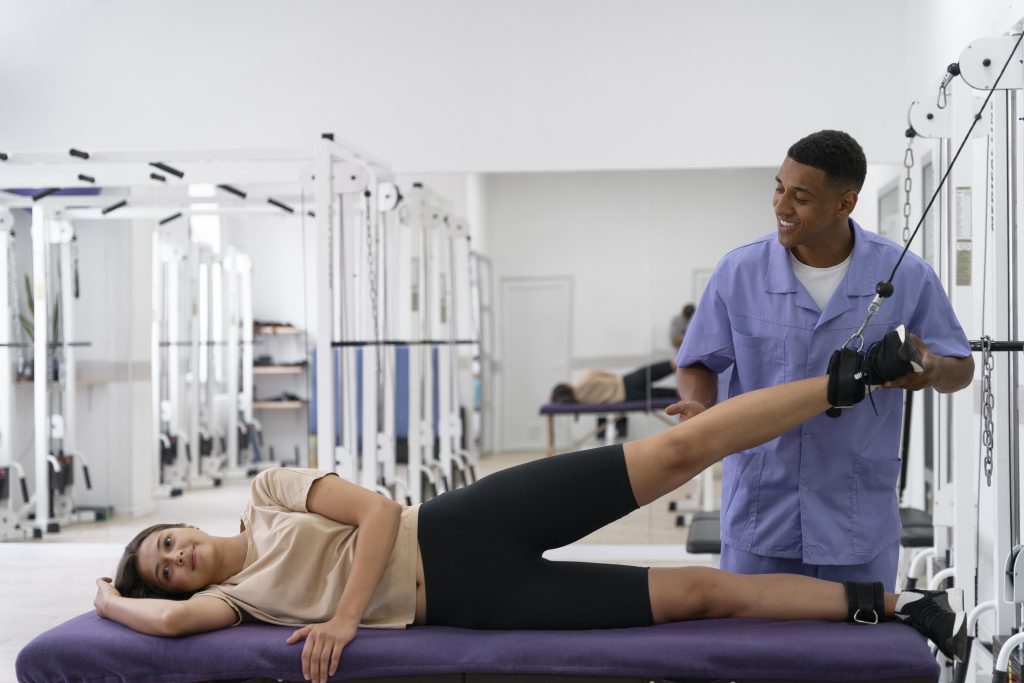
In addition to exercises, bladder retraining and behavioral strategies play a vital role in addressing urinary difficulties. Bladder retraining involves gradually increasing the time between bathroom visits to improve bladder capacity and control. Techniques like timed voiding help establish a regular urination schedule, reducing the frequency of incomplete bladder emptying. Physiotherapy can provide guidance on these techniques, offering support and encouragement to help you regain confidence and manage symptoms effectively. With patience and practice, these strategies can lead to significant improvements in urinary health and quality of life.
In addition to exercises, bladder retraining and behavioral strategies play a vital role in addressing this issue. Bladder retraining involves gradually increasing the time between bathroom visits to improve bladder capacity and control. Techniques like timed voiding help establish a regular urination schedule, reducing the frequency of incomplete bladder emptying. Physiotherapy can provide guidance on these techniques, offering support and encouragement to help you regain confidence and manage symptoms effectively. With patience and practice, these strategies can lead to significant improvements in urinary health and quality of life.
Additional Therapies and Approaches
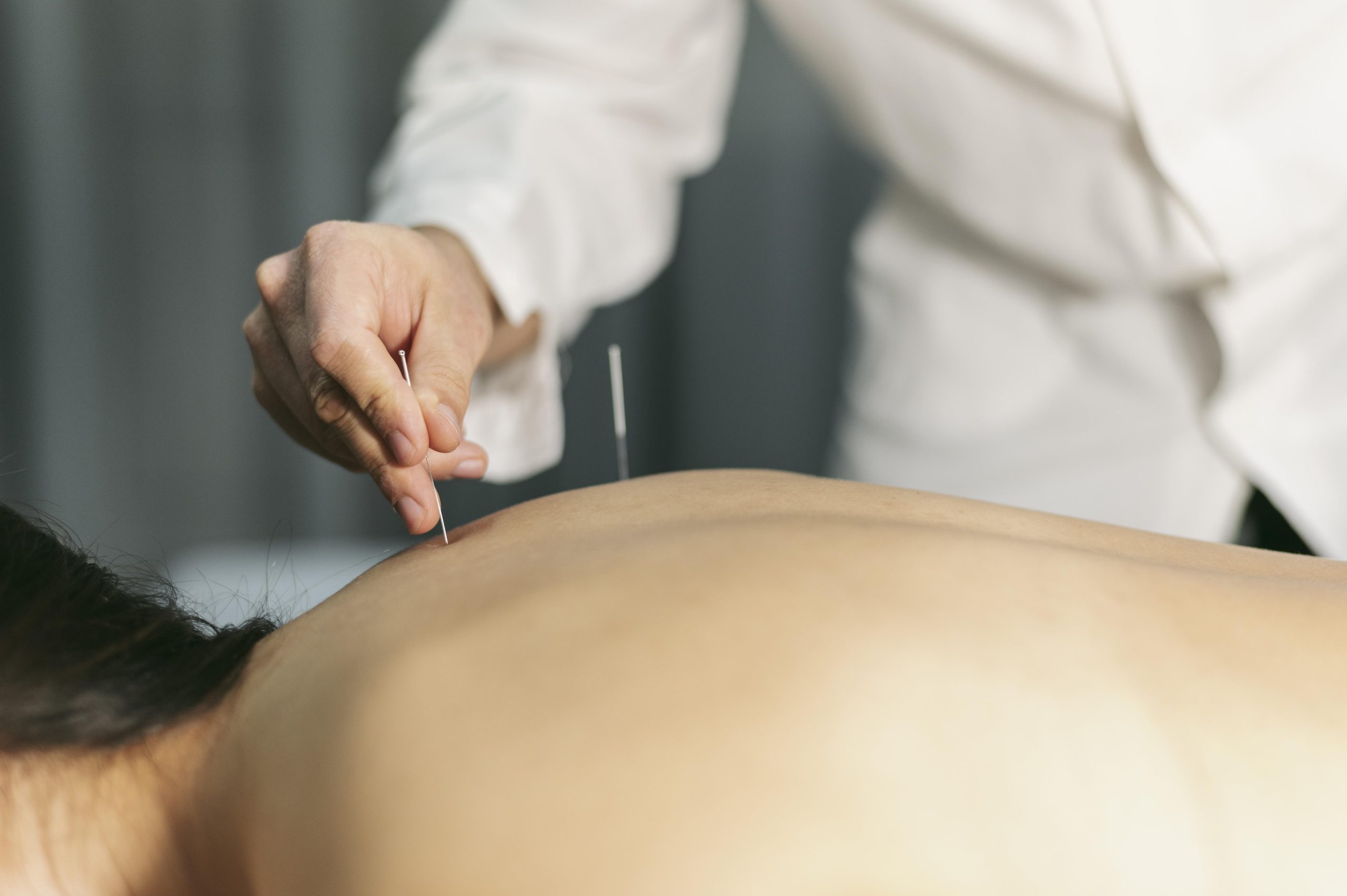
Beyond physiotherapy, complementary therapies like acupuncture and biofeedback can offer additional support for those experiencing urinary difficulties. Acupuncture is known for promoting relaxation and improving muscle control, which can help alleviate urinary symptoms. Biofeedback provides real-time feedback on muscle activity, enabling individuals to gain better control over their pelvic floor muscles. These therapies can enhance the effectiveness of physiotherapy, providing a more comprehensive approach to managing trouble urinating and improving bladder function.
In some cases, medical treatments or interventions might be necessary to address this issue. Medications can help manage urinary retention and other related symptoms, while surgical options might be considered for more severe cases. It’s essential to consult healthcare professionals to determine the best course of action for your specific situation. By working closely with your healthcare team, you can ensure a holistic approach that combines physiotherapy, complementary therapies, and medical interventions to effectively manage incomplete bladder emptying and improve your quality of life.
Understanding the Emotional Impact
Dealing with urinary difficulties can have a profound emotional impact, affecting not only your physical health but also your mental well-being. It’s essential to recognize that feeling frustrated, anxious, or embarrassed is normal when experiencing symptoms like urinary retention. These emotions can stem from the challenges of managing incomplete bladder emptying, which might lead to social anxiety or avoidance of certain activities. Understanding and acknowledging these feelings is the first step toward addressing them effectively.
Building a supportive network is crucial in managing the emotional aspects that come with this problem. Connecting with others who share similar experiences can provide comfort and encouragement, reminding you that you are not alone. Engaging in activities that promote relaxation and stress relief, such as mindfulness or gentle exercises, can also help reduce anxiety and improve your overall emotional well-being. Remember, addressing the emotional impact of urinary issues is as important as managing the physical symptoms, and seeking support is a sign of strength.

Strategies for Long-Term Management
Long-term management of urinary difficulties involves creating a sustainable routine that incorporates various strategies and lifestyle adjustments. Consistency is key when it comes to exercises and behavioral techniques aimed at improving bladder control. Whether it’s performing regular pelvic floor exercises or adopting a healthy diet, maintaining a routine helps solidify these habits and maximize their effectiveness over time. By integrating these practices into your daily life, you can gradually improve your symptoms and enjoy greater comfort and confidence.
Collaborating with healthcare professionals is another essential aspect of long-term management. Regular check-ins with your physiotherapist or healthcare provider can ensure that your treatment plan remains effective and adapts to your changing needs. They can offer guidance on adjusting your routine, recommend new techniques, or provide additional support as necessary. Remember, managing these issues is an ongoing process that benefits from a proactive and flexible approach, allowing you to achieve and maintain optimal urinary health for years to come.

Embrace Your Path to Urinary Health
Throughout this article, we’ve explored the multifaceted causes and solutions for symptoms such as urinary retention and trouble urinating. Whether these issues stem from medical conditions, lifestyle choices, or stress, understanding them is the first step toward improvement. With the right strategies, you can address incomplete bladder emptying, alleviating discomfort and enhancing your overall quality of life. Remember, taking small, proactive steps toward managing your symptoms can lead to significant improvements over time.

Facing urinary challenges can sometimes feel overwhelming, but you are not alone in this journey. Support is available, and by seeking out the appropriate resources and guidance, you empower yourself to take control. With patience and persistence, it’s possible to see substantial changes in how you manage these symptoms, ultimately leading to a more fulfilling and active lifestyle. Your journey to better urinary health is an ongoing process, and every effort you make contributes to a more positive and empowered future. You can start by taking our free questionnaire which is the first step toward your personalized physiotherapy program!
Table of Content
Be sure to read the following
Pelvic Organ Prolapse and Physiotherapy Treatments

Symptoms and Treatments for Urinary Urgency

Leave a Reply